
Your Child Doesn’t Hate Learning - They Might Hate How They’re Being Asked to Learn
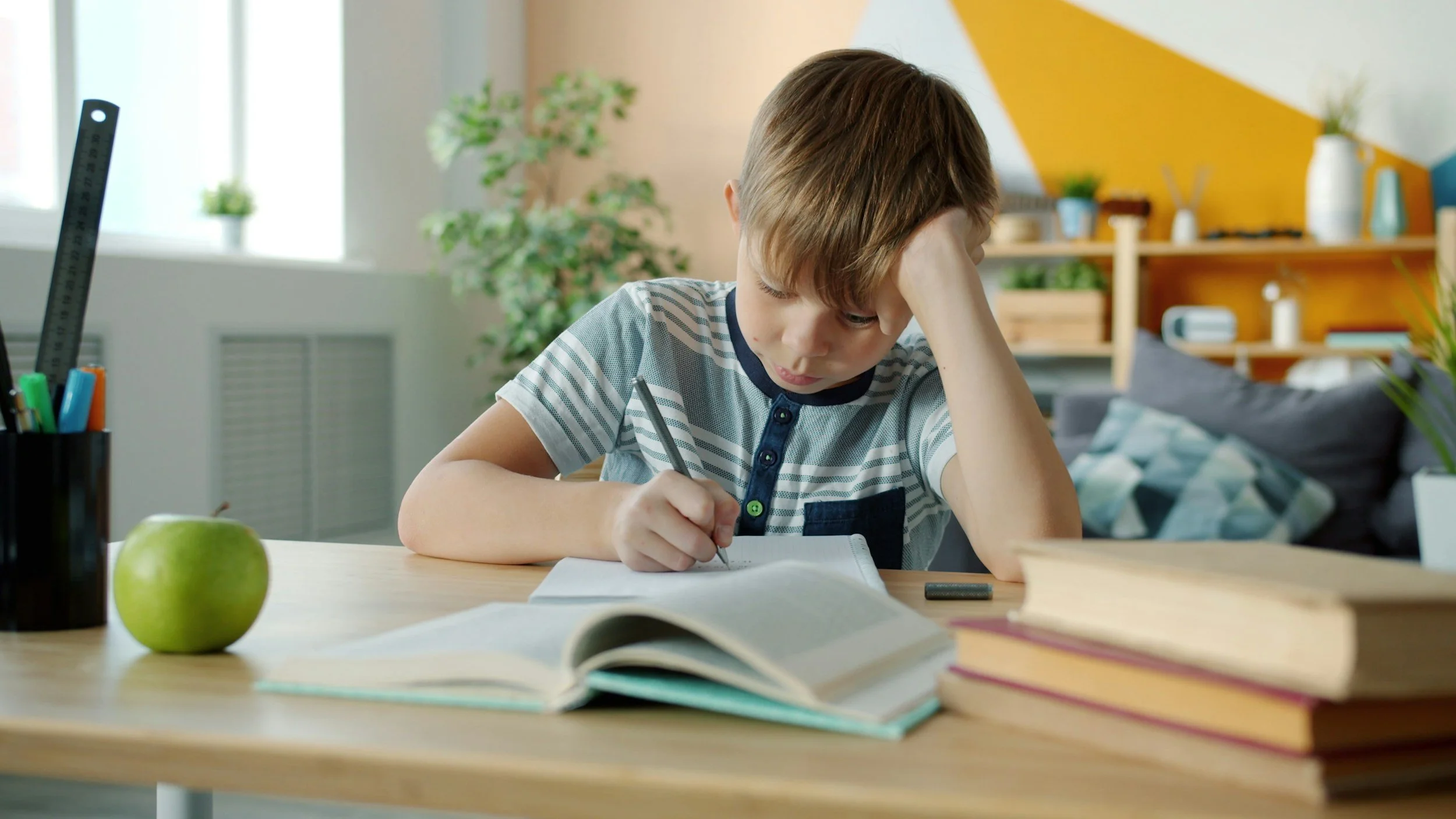
Do you remember learning as a child? Think Grade 1, you’re only now learning to write your name. You build blocks and play with toy cars. You learn about the world through experiencing it. Think back to the smell of playdough in the classroom.
Creativity at its finest…
Now, think of the Grade 1 class your child is currently attending. How does it differ from what you experienced?
It’s no secret that learning became a task, instead of something that comes naturally. Children are being expected to learn at a pace that their brain simply cannot comprehend. This does not mean there is something wrong with your child. On the contrary, the problem lies within the system.
Kids Learn Naturally
Children learn naturally and effortlessly when information is introduced during play. This is crucial until age 9. Starting Grade 1 is a major milestone, but a child entering the classroom at six or seven years old is still very much developing the skills they will need to learn effectively. They are basically learning how to learn, if that makes sense. While the South African curriculum introduces children to formal reading, writing, mathematics and structured learning, their brains are still developing important abilities such as sustained attention, working memory, impulse control, planning and emotional regulation. You cannot expect a child who is still learning how to learn, to just learn. This means that behaviours like needing movement, becoming distracted, struggling with multi-step instructions, needing repetition or becoming frustrated with difficult tasks is absolutely developmentally normal. It is not always a sign of Neurodivergence or defiance in your child.
Developmentally appropriate learning doesn't mean we should start lowering academic expectations; it means understanding what a young child can realistically manage and providing the right support to help them succeed.
How vs. What
How a child learns is more important than what they learn, because when the how is sorted, the what comes naturally. An older child who requires sensory input to maintain focus, might benefit from walking up and down, or writing notes on the board as the lesson continues, or even chewing gum. Whereas a Grade 1 learner might require more deep pressure input during learning like, running, jumping, picking up heavy things. This sounds IMPOSSIBLE but, believe me it’s not. 5l water bottles with a letter stuck in front is an easy way to help students learn the alphabet. In large mainstream classes, having each student carry their bottle to the correct place to form the alphabet A to Z, provides not only the input, but the lesson too. This also encourages team building. Children will then be required to engage, which is exactly how they learn.
Repetition Means Nothing When a Child is Disengaged
Foundation Phase learners do not learn by repetition, they learn by experience. Think back to your grade 1 class, to your teacher’s smile, to the calm environment in which you were able to stack blocks in the correct order, how you learned the colors of the rainbow by drawing one and not just repeating it. Now tell me, is it the same for your child? Does your child get as many brain breaks as you did? Does your child have the ability to stand up and move during a lesson? With diagnoses of ADHD and learning difficulties becoming the norm, children being medicated for simply being children, often by General Practitioners with no psychological background, when are we going to ask ourselves, is it truly the child? Or is it the environment in which we expect the child to learn?
